
AI Prepares. Human Decides.
Your Safety, Engineered by Design. Home safety infrastructure for AI-assisted living.
Ohmenrah is developing technology that can notice, understand and prepare, while the person living in the home keeps the final say. Our first focus is aging in place: supporting greater safety, independence and privacy at home.
Non-camera sensing by default
Local-first by design
Approve · Cancel · Override · STOP
Front Door
Entrance
- Closed
Hallway
Upstairs
- Movement detected
Kitchen
Quiet since 08:50
- Later than usual
Bedroom
Morning routine
- Routine unchanged
Environment
Living room · 22°C
- Within your range
Concept illustration
Designed around the person, not the device
- Human Authority
- Privacy
- Local-First
- Permission
- Clarity
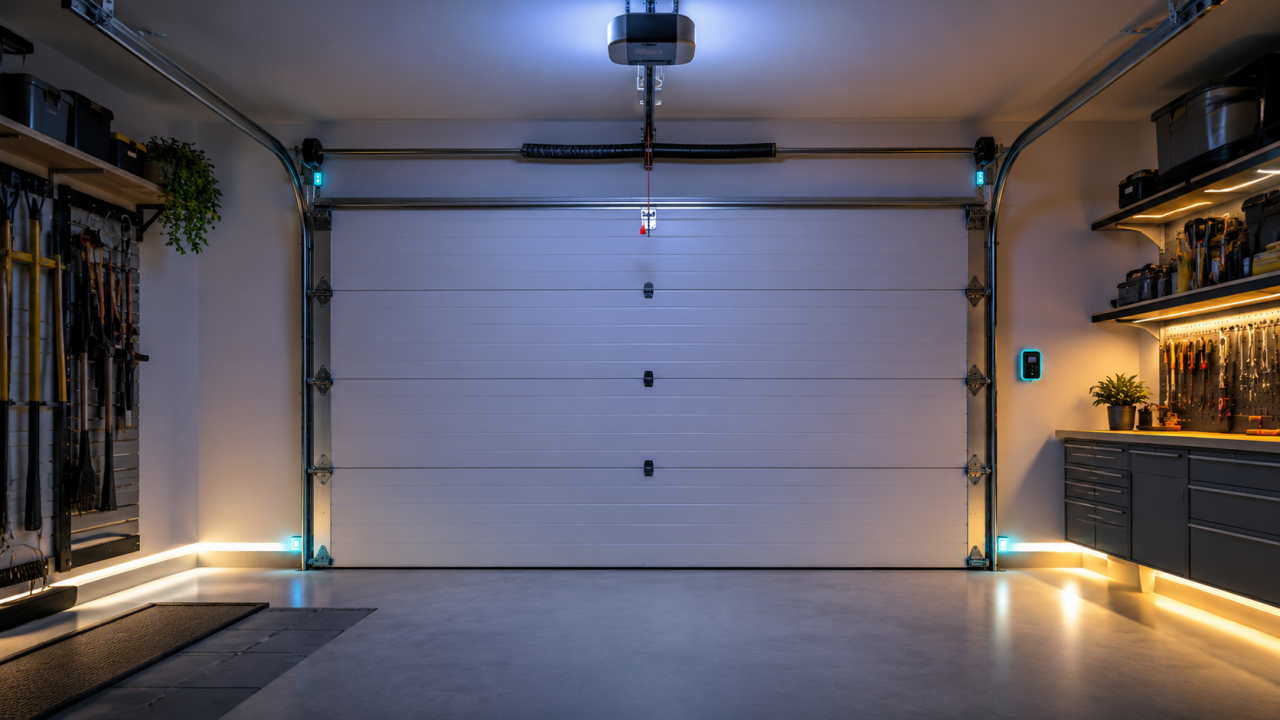
Concept illustration
Safety Infrastructure That Keeps People in Charge
AI is starting to reach into everyday life at home. Ohmenrah starts from a simple position: the more a system can do, the clearer the line of human authority needs to be. We are designing how sensing, memory, reasoning, permission, action and verification work together inside a home.
- Not a camera system, a robot or a general-purpose assistant
- Home safety infrastructure with governance built in
- Technology prepares; people approve, cancel, override or STOP
- Beginning with aging in place
Commitments Held From the Start
These are design constraints the system is being built to respect from the first line of engineering, not values added afterward.
Human Authority
The person remains in control, with clear approval, cancel, override and STOP options.
Prepared actions remain subject to human control before execution.
Privacy
Non-camera sensing by default. Camera use is the resident’s choice, supported by a local-first design.

Permission
Learning about a person does not grant permission to act. It covers sensing, memory, processing, sharing and action.

Clarity
The system says what is known, what is uncertain, and when it must stop or use a safe fallback.
Uncertainty is stated, never hidden.
Local-First
Core home data and essential operation are being designed so they do not depend on continuous cloud access.

Aging in Place
Our first focus is aging in place: supporting greater safety, independence and privacy at home. People want to keep living in the home they know.
AI Prepares the Options, People Make the Decision
A system that can act in someone’s home should never be the one deciding on their behalf. Ohmenrah is being designed around four human controls.
Approve
Nothing prepared moves forward without current or previously granted permission. A decision made now comes first.
Cancel
Decline what was prepared. Declining is always a complete answer.
Known vs. Uncertain
What the system prepares always says what it knows and what it doesn’t.
Override
Choose a different course. The person’s choice replaces the suggestion.
STOP
Halt activity. STOP is designed as the highest-priority human control, and a current STOP takes precedence over earlier permission.
Safe Fallback
When it is unsure, the system is designed to stop or fall back safely.
AI prepares. Human decides.
Fewer Alerts. Clearer Ones.
A door opening or a quiet hour means little on its own. Compared with what is usual for that home, signals can become context, and context can become a calm, prepared question for the person to answer.
1 · Signals
Usual: up around 07:30
08:42 · Bedroom — door opens
08:47 · Bathroom — door opens
08:50 · Kitchen — last movement detected
09:15 · No movement for 25 minutes
Concept illustration
2 · Context
The morning started later than usual, and it has been quiet since 08:50.
Known: routine began late. Uncertain: whether anything is wrong.
3 · Prepared response
Check in with the contact you chose?
Approve · Cancel · Override · STOP. Nothing prepared moves forward without current or previously granted permission. STOP is designed as the highest-priority human control.
See the Decision
Situation
08:50 · Kitchen
Last movement detected. The morning started later than usual.
- Known: routine began late.
- Uncertain: whether anything is wrong.
AI prepares
Check in with the contact you chose?
Human decides.Nothing prepared moves forward without current or previously granted permission. Choose a response to see what happens.
Concept illustration of the intended interaction. Ohmenrah is in development, and this is not a working product.
Engineered for Control. Designed for Privacy.
These are separate commitments. Privacy is about what is sensed, kept and shared. Local-first is about dependence: core home data and essential operation are being designed so they do not depend on continuous cloud access.
Design direction, subject to engineering validation.
Non-camera sensing by default
Local-first operation
Cameras only if the resident chooses
Nothing shared without permission
Privacy & Local-First
How the home’s information is treated.
Default
Non-camera sensing
By design
- Local-first operation: core data and essential operation not cloud-dependent
- Non-camera sensing: the default way the home is understood
- Cameras: only if the resident chooses
- Sharing: nothing shared without permission
Permission Applies Throughout
Not only a question asked before an action.
Applies to
Five areas
Permission covers
- Sensing · what may be sensed
- Remembering · what may be kept
- Processing · what may be analyzed
- Sharing · what may be shared, and with whom
- Acting · what may be acted upon
When someone cannot respond
Permission given beforehand, approval asked in the moment, and a person who cannot respond are different situations. How each is handled is being worked through in development and will be tested through engineering validation.
Beginning With Aging in Place
“I want support that respects my independence.”
Many people want to keep living in the home they know, on their own terms. We are exploring how human-governed technology could support that, without turning a home into a place that feels watched.
Safety · helping notice when something may need attention
Independence · the person keeps running their own life
Privacy · non-camera by default, cameras only by choice
Dignity · support without watching over someone
Ohmenrah is not a medical device, an emergency response service or a replacement for caregivers.
From Sensing to a Human Decision in Six Steps
01
Sense
AI prepares
Notice what is happening in the home, non-camera by default.
02
Understand
AI prepares
Place signals in context and history, including what is uncertain.
03
Prepare
AI prepares
Identify a possible situation and prepare clear options.
04
Human Decides
Human decides
Approve, cancel, override or STOP.
05
Act
Within permission
Carry out only what was authorized.
06
Verify
Close the loop
Confirm the outcome and report back clearly.
Conceptual model for explanation, not a finalized system architecture.
Built Around the People Who Matter
Residents
Safety and independence without unnecessary intrusion.
Families
Better context when they need to understand what is happening.
Care Professionals
Clearer information without replacing human judgment.
Researchers & Partners
A platform for responsible development and validation.
Responders
Clearer pre-arrival context, fewer irrelevant signals, and information designed around real responder needs.
Where Ohmenrah Stands Today
We would rather be precise than impressive. Here is what exists, what is underway and what is still a concept.
Development status updated October 2026
Phase 0 garage proof: a constrained proof of concept exists.
Exists
Next engineering build: the team is preparing it now.
Residential safety validation: underway, preparing validation in a residential setting.
Responder-utility validation: underway, preparing validation of usefulness for responders.
Underway
Commercial decisions: no commercial launch has been scheduled.
Concepts on this site: the system model, controls and interfaces shown here are development goals, not current features.
Conceptual / To Be Determined
Currently UnderwayValidation / Current
Residential Pilot Interest
Ohmenrah is currently scheduling homes for its residential safety validation work. A limited number of pilot openings remain.
- 01Fit & Location
- 02Technical Requirements
- 03Final Scheduling
If you would like to learn more about participating, or be among the first to hear when additional opportunities become available, please contact us for information.
Pilot participation is subject to fit, location, technical requirements and final scheduling.
Founded on One Conviction
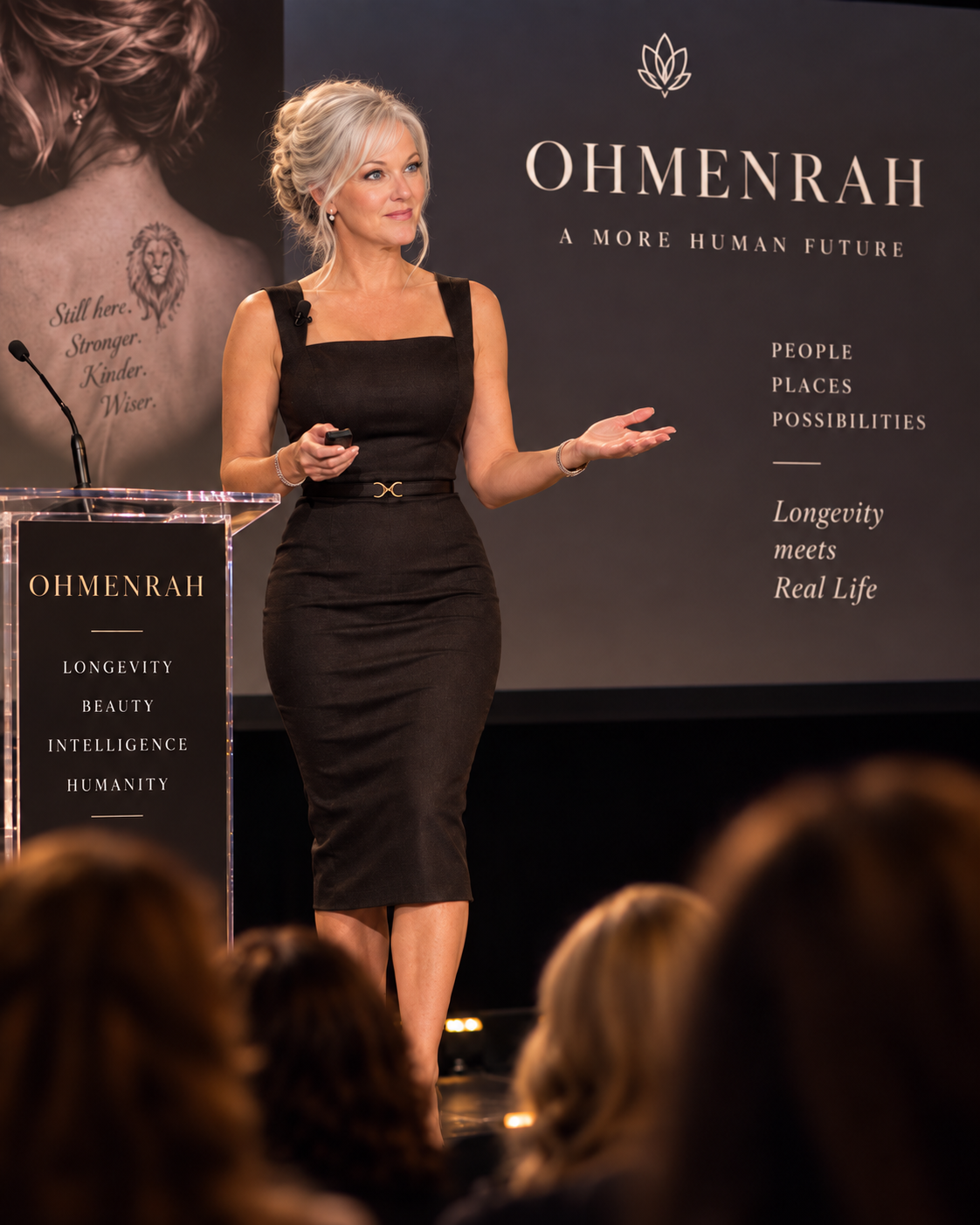
Sarah Presley
The Person Behind the Vision
“AI should prepare, and people should decide.”
Sarah Presley · Founder, Ohmenrah Technologies LLC
Building Home Safety Around Human Authority.
Sarah Presley is the founder of Ohmenrah Technologies, which is developing human-centered safety systems for homes and care-connected environments. Her work brings together business systems analysis, product definition, workflow design, governance and stakeholder communication: translating human and operational needs into clear system requirements, defining where human authority sits, and setting clear limits on what automation is allowed to do.
Since 2010, Sarah has worked as an independent business systems consultant, helping small businesses, founders and professional service teams turn loosely defined needs into structured documentation and practical next steps. Earlier roles in office management and administration, across residential construction, payroll and accounting, and a legal office, built a discipline of accuracy, confidentiality and follow-through. She also served as a dispatcher for the Santa Rosa County Sheriff’s Office in Florida, an experience that shapes how she thinks about responder safety, pre-arrival information and what is genuinely useful in a real situation.
That background shapes how Ohmenrah is being built: privacy-first, human-centered, and designed so that technology supports people at home without becoming harder to understand, trust or control.
Our Mission
Useful AI at home, without taking control away.
Technology that notices, understands and prepares, and people who decide.
What We Believe
Precision over hype. Proof before Permission.
We describe what exists, what is underway and what is still a concept, and we say what is uncertain.
Start a Conversation
Families, care professionals, researchers and partners.
In Development
Not available to purchase today.
Questions People Ask First
Plain answers about what Ohmenrah is, how it treats privacy, and where it stands today.
People keep final authority. The technology can notice, understand and prepare options, but a person approves, cancels, overrides or stops what happens.
Not by default. Ohmenrah is being designed around non-camera sensing. Camera use is optional and is always the resident’s choice.
Core home data and essential operation are being designed so they do not depend on continuous cloud access. It is a design direction that will be confirmed through engineering validation.
Ohmenrah is being designed so core home data and essential operation do not depend on continuous cloud access. The system is intended to continue supporting essential local functions during an internet interruption, with final offline capabilities subject to engineering validation.
Permission is being designed to apply throughout the system: to what may be sensed, remembered, processed, shared and acted upon. Learning about a person does not grant permission to act for them. A current STOP or refusal takes precedence over permission given earlier.
The person living with Ohmenrah remains at the center of control. Permission is designed to apply to what may be sensed, remembered, processed, shared and acted upon. Information should only move beyond the home or be used for an action within the permissions that have been granted.
No. Ohmenrah does not diagnose, treat or monitor health conditions, and it does not replace caregivers or healthcare professionals.
Not yet. A constrained Phase 0 proof exists and the next engineering build is being prepared. No commercial launch has been scheduled.
Start a Conversation
Families, care professionals, responders, researchers and partners.
We welcome conversations about home safety, aging in place and responsible AI-assisted living, as well as research, development and partnership enquiries. Ohmenrah is in development, and no products are available today.
Email Us